Terjit Oasis: The Hidden Paradise of the Mauritanian Sahara
Terjit Oasis: The Hidden Paradise of the Mauritanian Sahara
Discovering One of Mauritania’s Greatest Natural Wonders
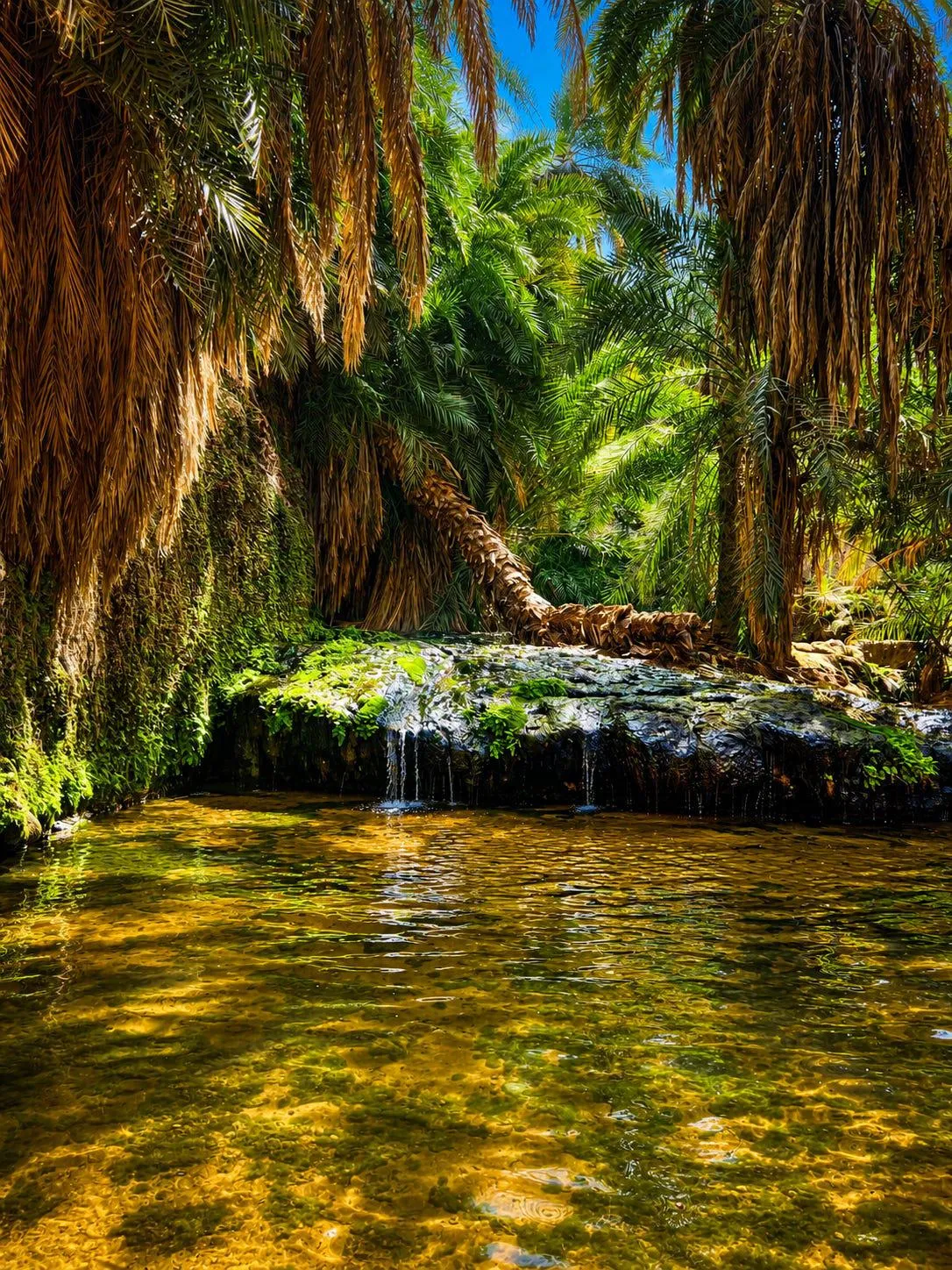
Deep within the rugged mountains and desert plateaus of northern Mauritania lies one of the Sahara’s most extraordinary natural sanctuaries: Terjit Oasis. Hidden inside a narrow canyon in the Adrar Region, approximately 45 kilometers south of Atar, Terjit is a rare world of flowing freshwater, towering palm trees, cool shade, and dramatic rock formations surrounded by the immense arid landscapes of the Sahara Desert.
For centuries, Terjit has represented survival, hospitality, and refuge in one of the harshest environments on Earth. Long before modern tourism arrived in Mauritania, caravans crossing the Sahara relied on the oasis for water, shelter, and rest. Today, Terjit remains one of the country’s most beloved destinations for eco-tourism, photography, cultural exploration, and desert adventure.
The contrast between the fertile green valley and the surrounding desert is so striking that local communities have long described Terjit as “Paradise in Hell,” a poetic expression that perfectly captures the miracle of life flourishing in the heart of the Sahara.
Geography and Landscape of Terjit Oasis
Terjit Oasis lies within the western escarpment of the Adrar Plateau, a vast geological formation characterized by rocky cliffs, sandstone canyons, desert valleys, and ancient caravan routes. The oasis itself stretches along a narrow gorge carved into the plateau over thousands of years by erosion and underground water systems.
The landscape surrounding Terjit is dominated by:
- Rocky canyon walls
- Desert plateaus
- Palm groves
- Artesian springs
- Freshwater pools
- Narrow walking paths through the valley
Unlike temporary desert waterholes that appear only after rainfall, Terjit benefits from permanent freshwater springs emerging directly from the rocks. These springs nourish the dense vegetation and create a unique microclimate where temperatures remain noticeably cooler than the surrounding desert plains.
Walking through the oasis is an unforgettable sensory experience. Visitors hear the sound of water dripping gently through the canyon while sunlight filters through the leaves of towering date palms. The cool air, shade, and flowing water create a peaceful atmosphere rarely encountered in the Sahara.
The oasis supports small cultivated gardens and traditional agriculture, demonstrating how human communities adapted to extreme desert conditions through careful water management and oasis cultivation.
Terjit and the Ancient Trans-Saharan Caravan Routes
For hundreds of years, Terjit Oasis played a critical role in the trans-Saharan caravan networks that connected North Africa, West Africa, and the Sahel.
Caravans transporting:
- Salt from the mines of Idjil
- Gold from West Africa
- Textiles
- Tea
- Dates
- Manuscripts and books
regularly crossed the Adrar Region on journeys lasting weeks or months. In such an unforgiving environment, permanent water sources like Terjit were essential for survival.
Merchants, scholars, pilgrims, and nomadic tribes stopped at the oasis to:
- Refill water supplies
- Rest camels
- Shelter from sandstorms
- Recover from extreme heat
- Spend nights in relative safety
The strategic importance of oases determined the routes of trade, migration, and settlement throughout the Sahara. Terjit therefore became much more than a simple water source — it evolved into a center of movement, exchange, and cultural interaction in the desert.
Historically, the oasis was also associated with:
- Religious gatherings
- Traditional ceremonies
- Weddings
- Tribal meetings
- Ceremonial events linked to regional leaders
Its isolation and beauty contributed to its spiritual significance among local communities.
Tribal Legends and Oral History
According to local oral traditions, the first tribe to settle permanently in the Terjit Valley during the mid-17th century was the Awlad Khaylan tribe (أولاد قيلان).
At that time, the oasis was heavily vegetated and reportedly inhabited by:
- Wolves
- Deer
- Wild desert animals
Local stories recount that early settlers were initially afraid to enter the dense palm grove. Assistance eventually came from the neighboring Smasid tribe (السماسيد) from the nearby region of Oujeft.
One legendary figure, Mohamed Alhajaj, is remembered for using smoke and controlled fire to drive dangerous animals away from the grove, allowing settlement to begin safely. These oral histories remain deeply embedded in the cultural identity of the oasis and reflect the difficult environmental conditions faced by early desert communities.
Life in Terjit Today
Despite its remote location, Terjit remains a living oasis community with an estimated population of around 300 inhabitants.
The village includes:
- Traditional huts
- Small permanent homes
- Local shops
- Agricultural gardens
- An elementary school
The local economy depends primarily on:
- Date cultivation
- Oasis agriculture
- Small-scale tourism
- Traditional trade
Date palms continue to play a central role in both the economy and culture of the Adrar Region. For generations, local families have cultivated dates using irrigation systems adapted to the Sahara’s extreme environmental conditions.
Hospitality also remains an important part of local life. Visitors to Terjit are often welcomed with traditional Mauritanian tea served beneath the shade of the palm groves.
Tourism and Visitor Experience
Terjit Oasis is one of Mauritania’s most famous tourist destinations and an essential stop for travelers exploring the Adrar Region.
Visitors come to Terjit to experience:
- Freshwater pools
- Palm groves
- Desert canyons
- Hiking trails
- Photography opportunities
- Traditional Saharan life
- Peaceful desert scenery
Many travelers spend the night in:
- Traditional desert camps
- Palm grove tents
- Simple eco-lodges
The oasis is especially popular among:
- Adventure travelers
- Photographers
- Cultural tourists
- Hikers
- Eco-tourism groups
One of the most memorable experiences is exploring the oasis during sunset, when the canyon walls glow in shades of red and gold while the palm grove falls into cool evening shadow.
Exploring the Adrar Region from Terjit
Terjit also serves as an ideal base for discovering the broader wonders of the Adrar Region. Nearby attractions include:
Chinguetti
One of the ancient ksour (fortified desert towns) of Mauritania and a UNESCO World Heritage Site known for:
- Medieval libraries
- Islamic scholarship
- Historic stone architecture
Ouadane
A historic caravan city once central to trans-Saharan trade.
White Valley
A spectacular desert landscape famous for white rock formations and panoramic views.
Azoueiga Dunes
Among the most beautiful dune systems in northern Mauritania.
Agrour Rock Paintings
Prehistoric rock art sites preserving evidence of the ancient Green Sahara.
Together, these destinations make the Adrar Region one of the richest cultural and natural tourism areas in the Sahara.
Environmental Importance and Sustainability
Terjit Oasis is not only beautiful; it is also ecologically fragile. The oasis represents a rare Saharan ecosystem sustained by groundwater systems that support:
- Vegetation
- Agriculture
- Wildlife
- Human settlement
However, the oasis faces increasing environmental pressures, including:
- Climate change
- Desertification
- Water scarcity
- Tourism impact
- Ecosystem degradation
Protecting the springs and palm groves is essential for preserving both local livelihoods and Mauritania’s natural heritage. Sustainable tourism practices are becoming increasingly important in order to maintain the delicate balance between conservation and visitor access.
Best Time to Visit Terjit Oasis
The best period to visit Terjit is generally between October and March.
During these months:
- Temperatures are cooler
- Desert conditions are more comfortable
- Hiking is easier
- Nights remain pleasant
Summer temperatures in the Sahara can exceed 45°C, making travel significantly more difficult.
Travel Tips for Visitors
Recommended for travelers:
- Travel with experienced local guides
- Bring sun protection and lightweight clothing
- Carry sufficient water supplies
- Wear comfortable walking shoes
- Use 4x4 transportation for desert routes
Most visitors reach Terjit from Atar as part of organized desert expeditions through the Adrar Region.
Conclusion: A Living Miracle in the Sahara
Terjit Oasis is far more than a scenic destination. It is one of Mauritania’s most powerful symbols of resilience, beauty, and life in the desert.
Its:
- Freshwater springs
- Palm groves
- Ancient caravan history
- Canyon landscapes
- Oral traditions
- Saharan hospitality
make it one of the most extraordinary places in North Africa. For travelers seeking authenticity, tranquility, and a deeper understanding of Saharan culture and ecology, Terjit offers an unforgettable experience where water, history, and human survival converge in the heart of the desert.
Discover Terjit with Wakaya Tours
Wakaya Tours invites you to explore the hidden treasures of Mauritania’s Sahara — from the legendary oasis of Terjit to the ancient caravan cities of Chinguetti and Ouadane. Experience authentic desert adventures, breathtaking landscapes, and the rich cultural heritage of Mauritania with expert local guides and carefully designed eco-tourism journeys.
Written by
Wakaya Tours