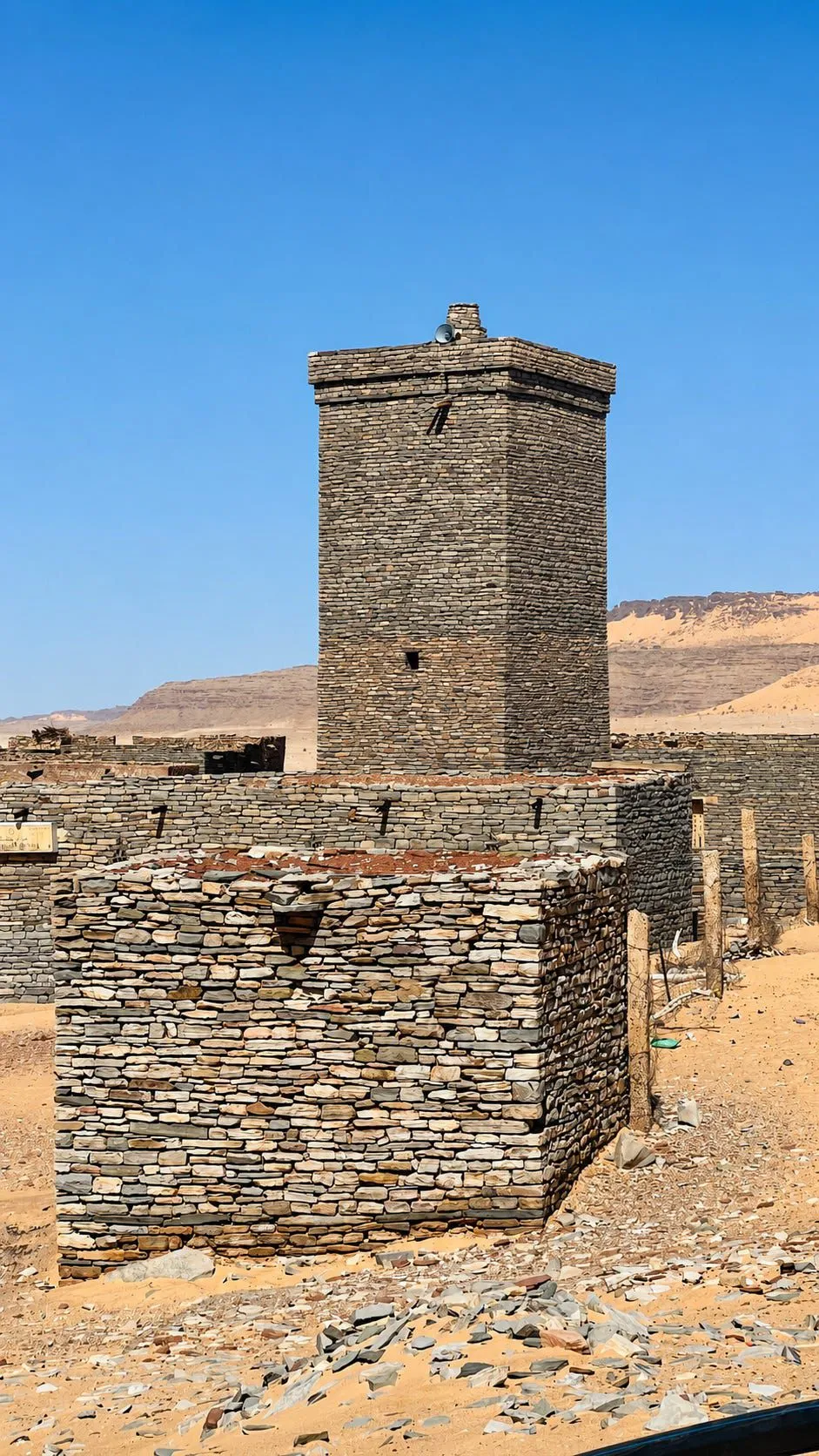
Tichitt: The Forgotten Cradle of West African Civilization
Tichitt: The Forgotten Cradle of West African Civilization
Discovering One of Africa’s Oldest Desert Cities
Hidden among the sandstone cliffs and golden desert landscapes of central-southern Mauritania lies one of Africa’s most extraordinary historical treasures: Tichitt. Quiet and isolated beneath the vast Saharan sky, this ancient settlement carries a history stretching back more than four thousand years. Long before the rise of the great empires of Ghana, Mali, and Songhai, the region surrounding Tichitt was already home to one of the earliest organized civilizations in sub-Saharan Africa.
Located at the foot of the Tagant Plateau, Tichitt occupies a strategic position between the Sahara Desert and the Sahel. Over the centuries, it evolved from a prehistoric stone civilization into a thriving caravan town, an Islamic intellectual center, and eventually one of Mauritania’s most important UNESCO World Heritage sites.
The Ancient Green Sahara
To understand the importance of Tichitt, it is necessary to imagine a Sahara very different from the desert we know today. Between approximately 8000 BCE and 4000 BCE, North Africa experienced a humid climatic phase known as the Green Sahara. During this era, rainfall was significantly higher, and savanna vegetation spread across the region, supporting wildlife like giraffes, elephants, and hippopotamuses.
The Tichitt region developed around the ancient Aoukar Basin, an area that once contained lakes and wetlands. The surrounding sandstone escarpments, known as the Dhars, provided water runoff, defense, and stone for construction, allowing permanent communities to emerge.
The Rise of the Tichitt Civilization
Around 2200 BCE, one of Africa’s oldest stone-building civilizations emerged across southeastern Mauritania. Archaeologists refer to this society as the Tichitt Tradition. Founded by proto-Mande populations, these settlements are considered:
- The oldest surviving stone-built settlements south of the Sahara
- One of the earliest examples of organized urbanism in West Africa
- One of Africa’s first complex agropastoral societies
Unlike temporary nomadic camps, the settlements of Tichitt were permanent and carefully organized, featuring stone-walled compounds, residential houses, and defensive walls. The site of Dakhlet el Atrouss, for instance, extended over nearly 80 hectares.
Agriculture and the Birth of Sahelian Food Systems
One of the most important contributions of the Tichitt civilization was the development of agriculture, particularly the cultivation of pearl millet, one of the Sahel’s most important crops today. Archaeological evidence suggests millet domestication around 3500 BCE. The people of Tichitt practiced a mixed economy of farming, cattle herding, and fishing, supporting the emergence of complex urban life.
Rock Art and Spiritual Culture
The cliffs surrounding Tichitt contain hundreds of prehistoric engravings and paintings that provide insight into the spiritual and daily life of ancient Saharan societies. The rock art depicts cattle, hunters, ox carts, and ritual scenes, preserving visual evidence of the Green Sahara and documenting the environmental changes over thousands of years.
Medieval Tichitt and the Caravan Trade
Centuries after the prehistoric civilization, the oasis town of Tichitt emerged as a major caravan center. By the 12th century, it was an important stop along the trans-Saharan trade routes connecting Oualata, Chinguetti, and North Africa. Trade goods included salt, gold, dates, and manuscripts. The atmosphere of the ancient caravan world still survives in the narrow stone streets of the town today.
Islamic Scholarship and Manuscript Culture
Tichitt became one of Mauritania’s most important centers of Islamic learning. Its scholars contributed to the intellectual life of the wider Islamic world, including Timbuktu. The town’s private libraries preserved thousands of manuscripts on law, theology, astronomy, and history, many of which are still preserved today.
UNESCO World Heritage Recognition
In 1996, Tichitt was recognized by UNESCO as part of the “Ancient Ksour of Ouadane, Chinguetti, Tichitt and Oualata.” These settlements are exceptional examples of Saharan towns that flourished along the caravan routes.
Today, Tichitt remains one of Mauritania’s greatest cultural treasures and one of the most historically important sites in West Africa.
Conclusion: A Living Monument to African Civilization
Tichitt is far more than an isolated desert town. It is a crucial chapter in the history of the Sahara and the Sahel. From prehistoric stone settlements to medieval caravan routes, the story of Tichitt reflects human adaptation, innovation, and resilience.
Explore Tichitt with Wakaya Tours Mauritania
Wakaya Tours Mauritania invites you to discover the ancient ksour, archaeological landscapes, and timeless desert culture of Tichitt through immersive cultural expeditions across the Sahara. Explore one of Africa’s oldest civilizations with expert local guides and authentic journeys designed for travelers seeking history, adventure, and the extraordinary heritage of Mauritania.
Written by
Wakaya Tours